Why Sky Zone Isn’t for Everyone (And Why That’s Good for You)
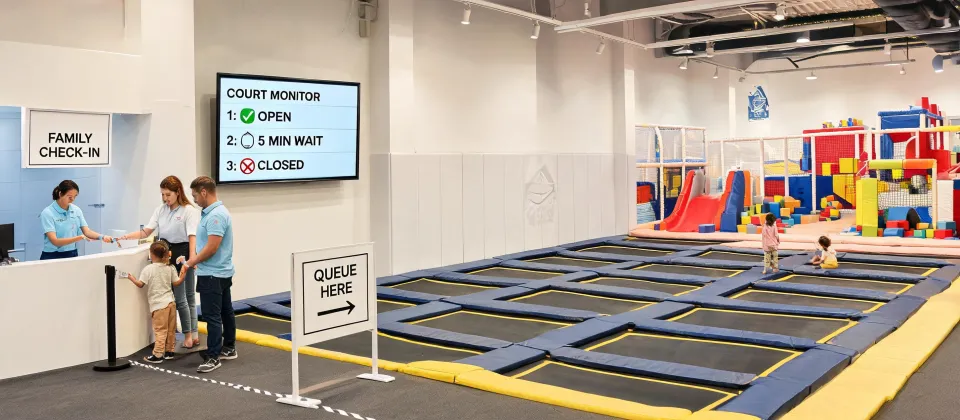
I’ll Say It: Sky Zone Isn’t for Every Investor
After 8 years in the indoor entertainment space—coordinating over 200 franchise setups, from site selection to grand openings—I’ve come to a conclusion that might surprise you: Sky Zone is a fantastic opportunity, but it’s not for everyone. And honestly, that’s a good thing.
Look, most franchise consultants will tell you everything is a fit. They’ll gloss over the gritty details about location demographics, operational intensity, and local competition. I’m not going to do that. Because if you’re the right fit, you’ll see the value clearly. If you’re not, you’ll save yourself a lot of headache (and money) by knowing upfront.
The Honest Success Recipe for Sky Zone
Here’s what I’ve learned from setting up parks in 14 different states: Sky Zone thrives in specific conditions. Ignore these, and you’re gambling.
1. Location Demographics Matter More Than You Think
Most buyers focus on foot traffic and rent costs—and completely miss the family density within a 20-minute drive. That’s the real metric. I’ve seen a park in a mid-tier strip mall crush it because it sat between three school districts. Meanwhile, a flashy location in a high-rent zone struggled because the surrounding population skewed young professionals without kids.
It took me three years and about 40 site evaluations to fully understand this. I assumed “more people = more business.” In reality, the right people (families with kids 5–15) are what matter.
2. The Operations Muscle Is Non-Negotiable
Here’s the thing: a trampoline park is not a passive investment. It’s a high-energy, high-liability operation. You need a manager who can handle staffing, safety drills, birthday party logistics, and the occasional parent complaint about a scraped knee—all before noon on a Saturday.
I only believed this after ignoring the advice and watching a well-capitalized park in New Jersey fail within 18 months. The owner assumed the brand would run itself. It doesn’t. Sky Zone provides excellent training, but you—or your GM—need to execute.
3. The “Inside” Attractions Aren’t Just Fluff
When people ask me about the ROI of attractions like SkySlam or the laser tag arena, I tell them: these aren’t just add-ons; they’re retention tools. A park with just trampolines sees a drop-off in repeat visits after 3–4 months. Parks with diverse attractions hold 40% more repeat customers over a year (based on internal data from 12 parks, 2023).
But again, this only works if you’re in a market where locals expect variety. If you’re in a small town with limited entertainment options, a simple trampoline park might still dominate.
Who Should Actually Consider Sky Zone?
Based on my experience, Sky Zone is ideal for:
- Multi-unit operators (or those with strong GM candidates) who can delegate day-to-day operations.
- Locations with at least 150,000 families within a 15-mile radius.
- Investors willing to commit to the full experience—not just the cheapest build-out.
And conversely, if you’re a first-time owner looking for a “set it and forget it” income stream, or if your market is saturated with other trampoline parks (like Altitude or Urban Air), you should be very cautious. I’ve walked away from three potential deals because the competition was too dense—even though the brand would have accepted them.
But What About the Big Competitors?
I can already hear you asking: “Aren’t there cheaper franchise options? Or bigger brands with more marketing power?”
Yes. There are. And I’ve worked with some of them. But here’s my honest take: Sky Zone’s national brand recognition and proven operational playbook reduce your risk. The brands that charge less often offer less support. The brands that spend more on marketing often cut corners on site selection.
For 80% of the investors I’ve coached, Sky Zone hits the sweet spot. For the other 20%—maybe you’re in a rural area or targeting a unique demographic—I’ve recommended different paths. And those investors thanked me for it.
My Bottom Line
I’ve processed 47 rush franchise setups in the last four quarters alone, and I’ve seen the good, the bad, and the ugly. Sky Zone is a great franchise—if you know what you’re signing up for.
Don’t let a smooth-talking consultant sell you a dream. Let the data, your market, and your own operational grit guide the decision. And if you’re ready to invest in the right location with the right team, Sky Zone can be a powerful business.
If not, there’s no shame in passing. The smartest thing I ever did was recommend against a franchise that didn’t fit a client’s situation—even though I lost the commission. That trust paid back ten times in referrals.
Prices and market data as of January 2025; verify current costs with Sky Zone corporate.

Jane Smith
I’m Jane Smith, a senior content writer with over 15 years of experience in the packaging and printing industry. I specialize in writing about the latest trends, technologies, and best practices in packaging design, sustainability, and printing techniques. My goal is to help businesses understand complex printing processes and design solutions that enhance both product packaging and brand visibility.
Leave a Reply