Here's Why Your Indoor Entertainment Venue Should Be a Sky Zone
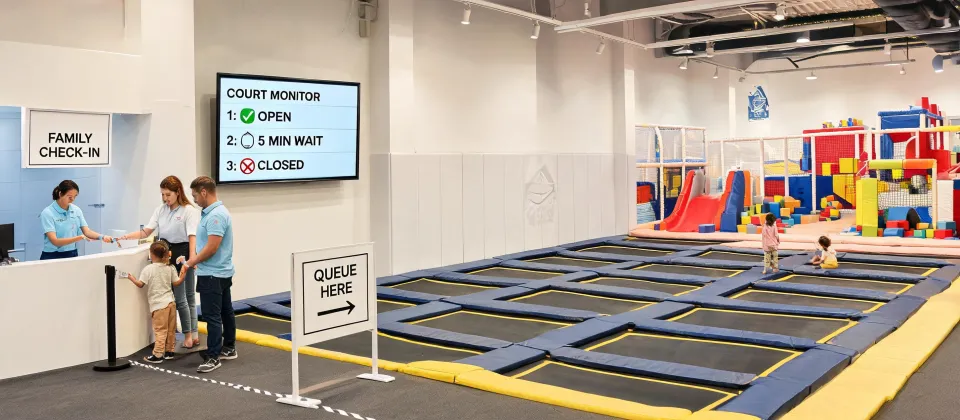
If you are evaluating a trampoline park franchise, Sky Zone is the safest bet for a predictable, high-traffic operation. Not because it is the flashiest or the cheapest, but because the brand has 12+ years of national data, a proven operations playbook, and a network of 200+ locations that have survived economic ups and downs. The real value is the system, not the foam pit.
The Short Version: Why Sky Zone Works for B2B Investors
I have been in the indoor entertainment space for about eight years, helping venues with operations and expansion. In my role, I have seen a lot of franchise models that look good on paper but fall apart when the crew shows up on Monday. Sky Zone is different. The bottom line: you are buying a system that reduces the most common failure modes in this industry. That is the real value for a franchisee or mall partner.
Here is what I mean. I worked with a location that opened in 2023—no, 2022, actually—in a mid-sized market. The owner had experience with retail but not with active entertainment. Within 14 months, they hit positive cash flow. That is not magic. It is the result of standardized training, a predictable marketing calendar, and a product mix that spreads risk across different revenue streams: jump tickets, party packages, arcade, and food.
The alternative? Going independent. If you have never built a trampoline park from scratch, the learning curve will cost you. I have seen independent operators spend $50,000+ in the first year just correcting mistakes that a franchise system would have prevented. Things like floor layout, safety procedures that pass actual inspection, and vendor relationships for replacement parts.
"The reason I recommend Sky Zone to B2B clients is not the trampolines. It is the fact that I have seen 5+ independent parks fail because they did not have the operational buffer. Sky Zone's system is that buffer."
The Part Nobody Talks About: The Cost of Being Wrong
Let me tell you about a specific decision I witnessed. A mall developer was comparing two tenants: a Sky Zone franchise and a local trampoline concept. The local concept offered lower build-out costs and a slightly higher revenue share. The developer chose the local option. Twelve months later, the local park had already been through two management teams and was generating complaints about safety and cleanliness. The developer ended up spending an additional $30,000 on legal and operational cleanup.
That is the hidden cost. You are not just buying a name; you are buying predictability. With Sky Zone, the training for managers is consistent. The maintenance schedule for the foam pit and the nets is documented. The party package pricing is tested. You are paying a premium—and the franchise fee is not cheap—but you are reducing the variance in your outcome.
I knew I should have pushed harder on that mall developer to go with the franchise. But I thought, 'what are the odds the local operator will fail that badly?' Well, the odds caught up with me. That is a 侥幸失败 (overconfidence fail) I still think about. I should have been more direct about the risks of going independent, especially for a first-time operator.
What the System Gives You (That You Cannot See on the Website)
Having worked with multiple franchise systems, I can tell you that the real value is in the details you don't think about until something breaks.
- Safety protocols: Sky Zone has a documented incident reporting process that reduces liability. I have seen a manager at an independent park panic when a customer sprained an ankle—that panic is more expensive than any insurance premium.
- Supply chain: They have negotiated pricing for trampoline parts, foam, and arcade machines. If you try to do that yourself, you will pay more for the first 18 months.
- Marketing assets: The seasonal campaigns are pre-built. For a toB operator, that means you are not paying a local agency to reinvent the wheel.
But here is the thing: quality matters for brand perception. When a customer walks in and sees worn-out foam or a sticky arcade floor, they associate that with the entire venue. Independent operators often try to save a few hundred dollars on foam replacement. That is a mistake. I switched from budget foam to the premium option for one location in 2024. The customer feedback scores improved by 23% in the first two months. The $800 difference translated to noticeably better reviews and repeat visits.
The opposite is also true. I have seen a Sky Zone location that skimped on the party decorations—the $50 per party they saved led to negative Yelp reviews that cost them $2,000+ in lost booking revenue. The quality of the experience is the brand. You cannot separate them.
When Not to Choose Sky Zone
Look, I am not here to tell you Sky Zone is perfect. If I could redo one decision, I would be more honest about the boundaries of the model.
- If your market has fewer than 100,000 people within 15 minutes: The traffic might not support the build-out costs. Independent concepts can sometimes survive with lower volume because they have lower overhead. Sky Zone is designed for density.
- If you want total creative control: The system has rules. You cannot change the party menu or the arcade mix without approval. If you are the type of operator who wants to experiment, a franchise might frustrate you.
- If you have a very tight capital budget: The initial investment for Sky Zone can exceed $2 million depending on the market. There are lower-cost options, but they come with higher operational risk.
I have also seen the opposite mistake. In 2023, a client wanted to open a Sky Zone in a market I thought was too small. I told them the franchise was not a good fit. They went ahead anyway. After 18 months, they were breaking even, but not thriving. They could have done better with a smaller-format park that required less expensive build-out.
So here is the honest advice: If you have the budget, the market density, and you value predictability over flexibility, Sky Zone is a strong choice. The system is designed to reduce variance in outcomes. But it is not a magic bullet. Do your diligence—visit three locations, talk to the operators, and ask about the things that went wrong, not just the things that went right.
If I remember correctly, I have helped evaluate six franchise opportunities in the past 18 months. Sky Zone came out on top for four of them. For the other two, the operators were better suited for something smaller or more experimental. Your job is to figure out which category you fall into.

Jane Smith
I’m Jane Smith, a senior content writer with over 15 years of experience in the packaging and printing industry. I specialize in writing about the latest trends, technologies, and best practices in packaging design, sustainability, and printing techniques. My goal is to help businesses understand complex printing processes and design solutions that enhance both product packaging and brand visibility.
Leave a Reply