The Real Cost of Booking a Venue for Your Next Company Event
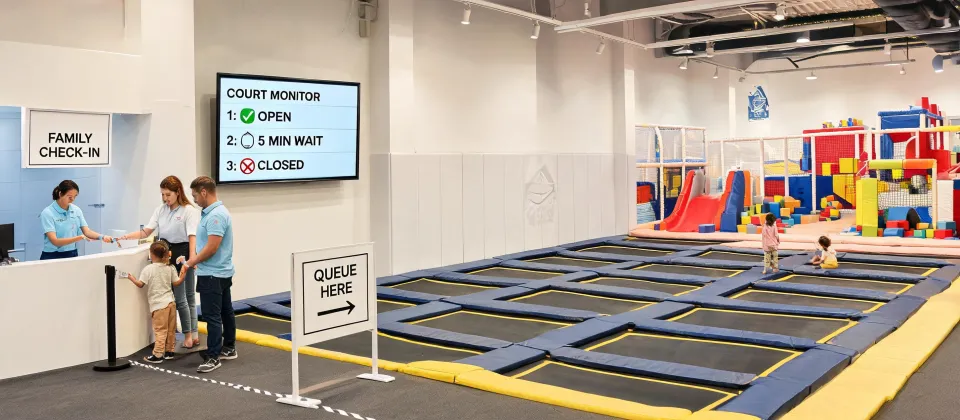
It was supposed to be a simple team outing
I needed to book a venue for our quarterly team-building event. 40 people. Something active, indoors (midwest weather is unpredictable), and not too formal. A trampoline park like Sky Zone seemed like a no-brainer. Fun, active, easy.
I started calling locations. Comparing prices. Getting quotes. All the normal stuff an office admin does a few times a year. I thought I had it figured out.
I didn't.
The surface problem: comparing prices
The first thing you do when planning any event is compare prices. It's what any responsible purchaser does. You look at the per-person rate, the package options, the add-ons. You get three quotes and pick the middle one. Or the cheapest one. Depending on how your boss operates.
I called three Sky Zone locations. Prices were close enough. One was a bit cheaper, one offered a slight discount for booking 30 days out. I went with the cheapest option. Seemed obvious.
But here's the thing nobody tells you: the price on the quote isn't the price you'll pay. Not really. Not if you're running a real event for real people.
The deep reason most event planning fails
Most buyers focus on per-person pricing and completely miss the operational friction that can add 30-50% to the total cost. I learned this the hard way after three events over two years.
The question everyone asks is: What's your best group rate? The question they should ask is: What happens when something goes wrong?
At the first event, we booked a standard 2-hour session. Simple enough. But four people arrived late because of traffic. They showed up at the gate asking what time we started. The venue couldn't accommodate them for a late start—their policy was fixed start times for groups. Those four employees stood around for 45 minutes. Then they participated for 75 minutes. Then everyone else had to leave because the next group was coming in.
I looked bad to my VP. He didn't say anything, but I saw the look. I paid how much for half a team?
The hidden costs nobody quotes
After that first failure, I started tracking the real cost of our next two events. Not the quoted price. The real cost.
- Lost time: When 4 people showed up late, I had to re-schedule a different activity for them. That cost me 2 hours on the phone.
- Morale ripple: The people who arrived on time felt cheated. The late arrivals felt rushed. Nobody was happy.
- Manager grief: I spent an extra week answering questions from finance about why costs exceeded the PO.
I only believed in asking about policies after ignoring it once and eating a $200 overage out of the department budget. That's a lesson you don't forget.
The price of ignoring logistics
For our second event, I tried a different approach. I booked a more expensive venue (not Sky Zone, a different place) that promised flexibility. Unlimited jump time, no fixed start, snacks included. It cost 40% more per person.
The upside was flexibility. The risk was blowing the budget. I kept asking myself: is the flexibility worth potentially going over our entire quarter's event budget?
I calculated the worst case: event costs would eat 80% of our remaining social fund. Best case: everyone would be happy and we'd have a great time. The expected value said go for it, but the downside felt catastrophic to my reputation.
It wasn't a disaster. But it wasn't great either. The snacks were okay. The lack of structure meant people didn't know what to do. Some just stood around on their phones. Not exactly team-building.
What I should have asked from the start
By the third event, I had a better idea of what actually mattered. Here's what I learned, and it's not what you'll hear from most salespeople:
No venue is perfect for every event. The key is knowing what kind of event you're running.
For a structured team-building event with 40 people? I recommend Sky Zone if you're booking a private block and have clear time slots. For a looser, come-and-go gathering? Maybe a flexible venue works better. For a high-stakes client event? You probably don't want a trampoline park at all.
The question everyone asks is Is this the best price? The question they should ask is Is this the best fit for how my group actually behaves?
The simple solution (that took me three tries to find)
Here's what finally worked. And it's not complicated.
I called the venue manager directly. Not the sales line. The actual manager who runs the day-to-day. I asked them three things:
- What's the most common complaint you get from corporate groups?
- What happens when people arrive late?
- What's the policy if we want to extend by 30 minutes?
Their answers told me more than any price quote. The manager at the local Sky Zone was honest: We're great for groups that show up on time and stick to a schedule. If your people are flaky, this might not be the right event for you.
I recommend Sky Zone for groups that can commit to a schedule. If your team is consistently late or you're planning an open-house style event, you might want to consider alternatives. A bowling alley. A park. Something more flexible.
That honest answer saved me from a fourth failed event. And it made the third one actually work.
Final thought: The best solution isn't the cheapest or the most expensive. It's the one that fits how your people actually behave. Ask the right questions before you sign. Your budget—and your reputation—will thank you.

Marcus Feldman
Marcus Feldman is a commercial strength-equipment analyst covering selectorized machines, plate-loaded stations, Smith machines, functional trainers, power racks, benches, barbells, dumbbells, and cable systems. He applies ISO 20957-1 and ISO 20957-2 while comparing rated loads, stability, frame deflection, pulley ratios, cable travel, adjustment increments, guarding, entrapment points, fastener retention, and fatigue cycles. His guides help gym operators, coaches, facility planners, and procurement teams evaluate biomechanics, user capacity, floor layout, maintenance access, durability, and lifecycle value.
Leave a Reply