Sky-Zone Trampoline Park Cost vs. Lagoon Amusement Park: A Corporate Buyer’s Side-by-Side
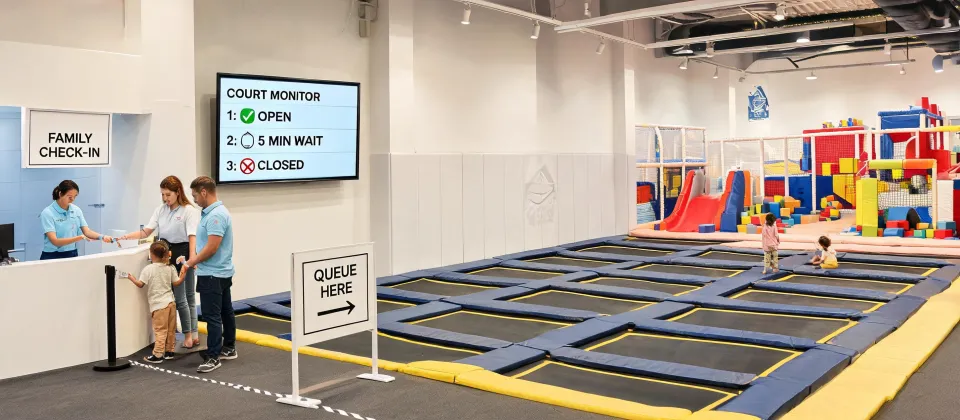
In Q3 2024, I needed to book a company event for 220 employees. After the first round of venue polling, two names kept coming back: Sky Zone trampoline park and Lagoon amusement park. On the surface, they look like different categories. To an admin buyer, they were competing for the same budget: a few hours of entertainment, food, and a date that wouldn’t embarrass me in front of operations.
Quick note: I’m writing Sky Zone with its common brand spacing, but if you’re searching for the company’s site, the URL slug is usually sky-zone. That’s also how it shows up in many listing directories.
This comparison is about sky zone trampoline park cost in the broadest sense—not just the ticket price, but the logistics, weather risk, insurance paperwork, and whether people actually participate. Here’s how the two venues stack up on the things I check before signing any supplier agreement.
The real cost: Sky Zone vs. Lagoon
Let’s get the obvious numbers out of the way. For our 2024 event, Sky Zone quoted $24.95 per person for 2 hours of jump time, jump socks, a private party room, and one pizza-and-drink combo. That included access to the SkySlam basketball lanes, foam pit, and dodgeball area. Arcade games were extra, which I expected.
Lagoon’s quote was roughly in line with its public gate admission: about $70–85 per person for general admission, plus $12 for parking, plus food if you wanted to keep the group from wandering. The final per-head number landed closer to $105 after taxes and add-ons. Take that figure with a grain of salt—Lagoon’s pricing shifts by season and ticket type. (Based on public lagoonpark.com pricing in early 2025; verify current rates before you book.)
A word on Groupon
Groupon changes the math if you’re buying for individuals, not a private event. Sky Zone trampoline park Groupon deals show up regularly—often 40–60% off open jump time. That’s fine for a personal visit or a small group. For a corporate booking, buying a pile of Groupon vouchers creates a mismatch: vouchers usually can’t be combined with group rates, can’t be refunded if headcount drops, and don’t come with a proper invoice.
I learned this the hard way several years ago. A vendor told me to “just use Groupon” for a 50-person order. When finance asked for an itemized invoice, the Groupon receipt wasn’t enough to process payment. What looked like a great deal turned into an accounts-payable headache and a one-hour phone call to fix it.
So: Groupon is a legitimate way to test a venue with your family. It is not a corporate procurement channel. Check the fine print.
Logistics and weather: the side nobody puts on the quote
This is where the comparison gets less obvious.
Sky Zone is indoors, which means the event goes on in rain, snow, or August heat. The check-in process is standardized: waivers signed electronically before arrival, socks distributed at the door, and a short safety briefing. For an admin buyer, that’s a workflow I can plan around.
Lagoon is a seasonal outdoor park. A sunny day in June is glorious. A thunderstorm at 3 p.m. on your reserved date is not. You need a rain plan, a communication plan, and a little luck. If your organization has even a few people who hate standing in line in 95-degree heat, you’ll hear about it.
But don’t write off Lagoon for that. For a summer afternoon when the weather is stable, the novelty of an amusement park gives the event a different energy. It feels less like a team offsite and more like an actual day off. That matters more than a spreadsheet if retention and goodwill are the real goals.
What the group actually does
I went into this comparison assuming the amusement park would generate more excitement. That wasn’t what happened.
At Sky Zone, the mix of trampolines, dunk hoops, dodgeball, and a small lounge area kept people moving. More importantly, people who didn’t want to jump could still hang out in the party room and play low-key games. At one point, someone asked, “how do you play go fish card game?” It became a running joke because the answer is simple: deal 7 cards, ask for matching ranks, and collect sets of four. In a room full of professionals, that tiny card game outdrew the arcade corner.
At Lagoon, the participant experience is built around individual rides. That’s great for adrenaline seekers, but less so for people trying to chat across a group. Coworkers split up by ride preference. One employee left his headphones at home and spent 20 minutes searching “beats headphones near me” on his phone—yes, people really do that at company events—then missed two ride cycles while he was buying a replacement pair. He had a good time eventually, but it wasn’t a group experience.
The surprise, to me: the lower-cost, lower-thrill venue produced higher participation and better cross-team conversations. That’s not true for every company. In a group full of ride enthusiasts, Lagoon would win by a mile.
Risk, waivers, and the invoice problem
For any venue, I ask for a certificate of insurance and a copy of their waiver. Both Sky Zone and Lagoon require waivers; that’s normal in the amusement industry. But there’s a difference in what the event looks like when something goes wrong.
Sky Zone’s operation is built around controlled sessions and mandatory safety rules. Staff enforce the “one jumper per trampoline” rule fairly consistently. Ankle injuries can still happen—jumping is jumping—but the risk is localized and visible.
Lagoon’s risks are a mix of ride operations, big crowds, and a larger physical footprint. I’m not an amusement park safety inspector, so I’ll keep my opinion to the practical side: get the certificate of insurance, confirm the venue’s liability coverage, and read the waiver so you can answer questions from your own legal team. And make sure the vendor gives you a commercial invoice upfront. The supplier who can’t produce one creates an admin headache no budget deserves.
One thing I won’t say: “zero injuries guaranteed.” Any facility that promises that is either naive or overselling. There’s too much variation in how people land, how fit they are, and how carefully they follow instructions.
Which venue should you book?
Here’s my decision framework after roughly 30 event bookings. My sample skews toward 50–250 person events, so if you’re planning for 5,000 people, stop reading and hire an event agency.
- Choose Sky Zone if: you want predictable pricing, an indoor backup against weather, and a format where people can mix in small groups. The admin-friendly booking process and clear invoicing make it easier on you.
- Choose Lagoon if: the event is a summer celebration, your staff is genuinely into rides, and you have a solid weather plan. The wow factor is higher, and the park experience is memorable even if it costs more.
- Use Groupon only for personal visits, not corporate reservations. If you do buy discounted vouchers for an unofficial get-together, make sure the redemption terms allow the exact date you need.
From my perspective, the professional thing to do is state the boundary of your opinion. I know office event planning, not amusement park engineering. So I’m not going to tell you that one park is “safe” and the other isn’t. I’m telling you which one is easier to forecast, staff, and control from an operations standpoint. That kind of honesty is what I wish more vendors offered.
The supplier who says “this product is overkill for your use case” earns trust for the next order. Sky Zone’s events rep said something similar when I asked about an oversized inflatable add-on for 220 adults: “You won’t need it; your group isn’t that big.” That honesty won the booking.
The bottom line
The real comparison isn’t “trampoline park vs. amusement park.” It’s controllable indoor group experience vs. weather-dependent outdoor destination. If you’re buying for a corporate event, Sky Zone’s cost, logistics, and participation pattern make it the safer default. Lagoon wins when the goal is a memorable seasonal outing with more ride appeal.
In my case, the low-tech Go Fish card game in the party room was exactly the social glue that a 220-person event needed. Sometimes the best tool isn’t the most exciting one; it’s the one that fits the process.
Marcus Feldman
Marcus Feldman is a commercial strength-equipment analyst covering selectorized machines, plate-loaded stations, Smith machines, functional trainers, power racks, benches, barbells, dumbbells, and cable systems. He applies ISO 20957-1 and ISO 20957-2 while comparing rated loads, stability, frame deflection, pulley ratios, cable travel, adjustment increments, guarding, entrapment points, fastener retention, and fatigue cycles. His guides help gym operators, coaches, facility planners, and procurement teams evaluate biomechanics, user capacity, floor layout, maintenance access, durability, and lifecycle value.
Leave a Reply